Description
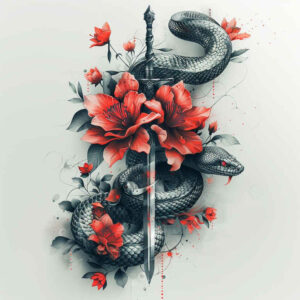
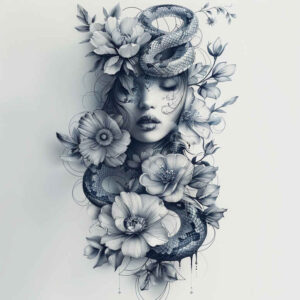
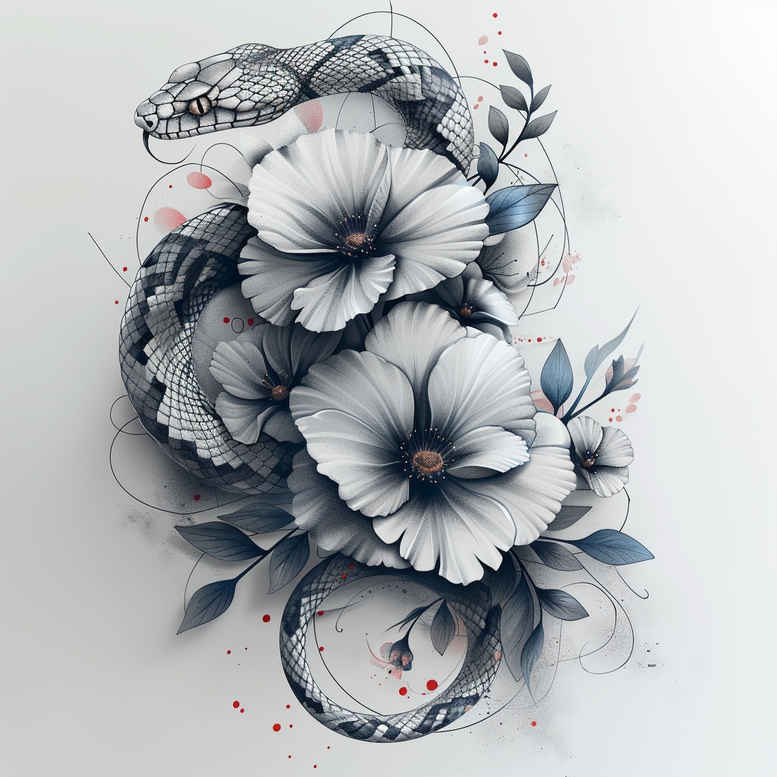
This concept presents a refined black-and-grey floral tattoo design suitable for a standalone piece or a cover-up project. Rendered in fine line technique, the composition centers on two hibiscus-like blooms with soft gradients and meticulous line work that define each petal’s contour. Leaves frame the blossoms while curling scroll motifs weave through the negative space, creating a sense of movement and rhythm. The design emphasizes pattern through the repeating petal shapes and ornamental swirls, delivering a cohesive botanical narrative that reads well on the forearm, calf, or shoulder. The shading relies on grayscale depth rather than color, allowing the artwork to fit within a wide range of skin tones while preserving delicate detail in small-to-medium sizes. The two primary flowers anchor the piece, with secondary elements like slender leaves providing balance and negative space ensuring legibility as a tattoo design over time. In symbolic terms, hibiscus flowers often denote beauty, resilience, and grace; when rendered in a monochrome palette, the piece gains a timeless premium feel suitable for meaningful tattoos or as a cover-up concept for existing legacies. This AI-generated tattoo project demonstrates how botanical motifs can be translated into a refined, realistic style that leverages black-and-grey shading to achieve depth and texture. For readers seeking a custom tattoo design, this concept offers a versatile template that pairs well with lotus flower tattoo or flower tattoos motifs, and it aligns with trends in fine line, Japanese style tattoo, tribal tattoo, and traditional black-and-grey body art. The emphasis on flow and pattern ensures the design remains legible as a small tattoo while maintaining visual impact on larger placements. The approach also highlights careful line weight, stippling, and subtle gradation to evoke petals’ natural curvature, lending a sense of tactility to the ink. For meaningful tattoos, this concept offers a flexible foundation that can be adapted to various placements and scales, from subtle wrist pieces to more expansive shoulder compositions, while remaining faithful to ink artistry and the enduring aesthetics of black-and-grey body art.