Description
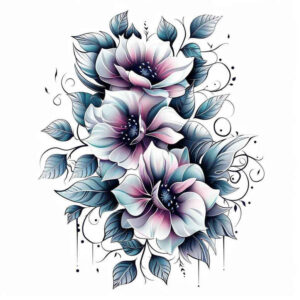
This is an AI-generated tattoo project concept: a monochrome hibiscus bouquet rendered in tight black and grey linework. The focal blossoms are two or three hibiscus with lush, overlapping petals, each petal carved with subtle cross-hatching and feathered shading to create depth without solid fills. Surrounding the blooms are slender leaves and curling vines that weave through the composition, guiding the eye in a graceful arc. The technique emphasizes clean, continuous lines and varied line weights to suggest texture, vein structure, and natural movement, while deliberate negative space keeps the design legible on skin. The result is a versatile tattoo design that works as a small study or expands gracefully on the forearm, shoulder, or rib with room for additional elements later. Symbolically, hibiscus conveys beauty, resilience, and ephemeral charm, lending meaningful resonance to this flower tattoo design; the black and grey palette reinforces timelessness and pairs well with other motifs in a custom tattoo design portfolio. The botanical motif is treated with a modern sensibility, balancing realism with decorative elegance, and it sits comfortably within the traditions of black and grey ink, fine line tattoo aesthetics, and flower tattoos. For practitioners and clients exploring tattoo ideas, this concept demonstrates how plant-based subjects translate into refined body art that remains legible with age, while offering flexibility for Japanese style or broader stylistic integration in ink, line density, and shading strategies. If used for cover-up considerations, the design’s density and contouring lend themselves to blending with existing ink; otherwise it stands as a standalone study of form, contrast, and botanical grace, suitable for meaningful tattoos, flower tattoos, and ink-focused tattoo design discussions. As an AI-generated tattoo project concept, it showcases how botanical themes translate into versatile tattoo design ideas that can be adapted for different placements and sizes. The interplay of line weight and negative space also makes it adaptable to collaborations with color accents or subtle texture additions in future sleeve or back pieces.