Description
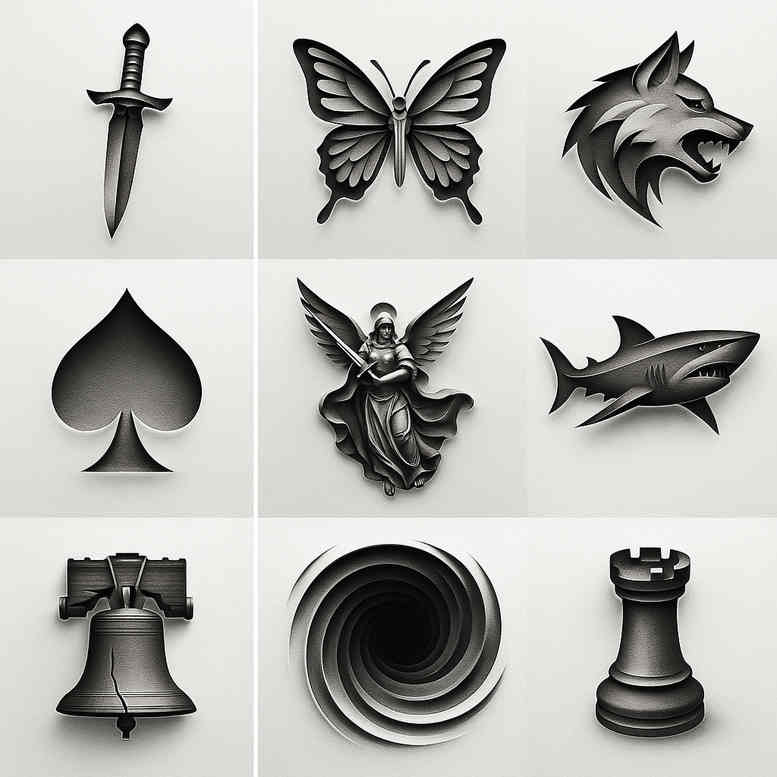
AI-generated tattoo project presents a butterfly motif rendered in a refined fine-line style. The central subject is a butterfly with translucent wings, dominated by a blue-gray gradient that flows from a pale apex to deeper shading near the body, intensified by precise black vein lines and a delicate filigree network along the leading edges. The forewings embrace a subtle, geometry-inspired pattern along the inner margins, while the hindwings carry a speckled motif that echoes floral symmetry and a touch of stippling texture. Executed with hairline strokes and controlled gradient shading, the composition uses negative space to emphasize clarity and elegance, allowing the form to breathe on the skin. This tattoo design leans into modern black-and-grey aesthetics with restrained color depth, making it ideal for small tattoos or as the focal point of a slightly larger piece in a traditional or Japanese-inspired lineage. Symbolically, the butterfly is a timeless emblem of metamorphosis, resilience, and renewal, merging with the pattern work to suggest personal growth that is both quiet and enduring. The linework remains crisp and the patterning deliberate, enabling a readable silhouette on varying skin tones and placements. While the palette is light, the shading provides depth and a tactile sense of volume, achieved through smooth gradients and fine stippling that avoids harsh contrast. The project demonstrates how graphic patterns can complement a butterfly motif without overpowering its elegance, a principle that suits rose tattoo design or lotus flower tattoo ideas when interpreted in a similar scale. This AI-generated tattoo project also serves as a practical exploration of small tattoo design craft, offering a versatile template for custom tattoo design seekers who appreciate meaningful tattoos, ink texture, and the balance between realism and stylization. Techniques highlighted include precise hairlines, delicate gradation, and pattern integration that honors both natural form and symbolic intent, with attention to how such a piece translates across body art contexts, from wrists and ankles to behind-the-ear placements.