Description
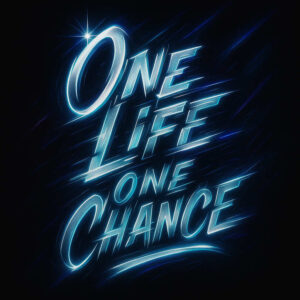
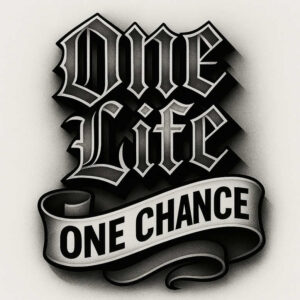
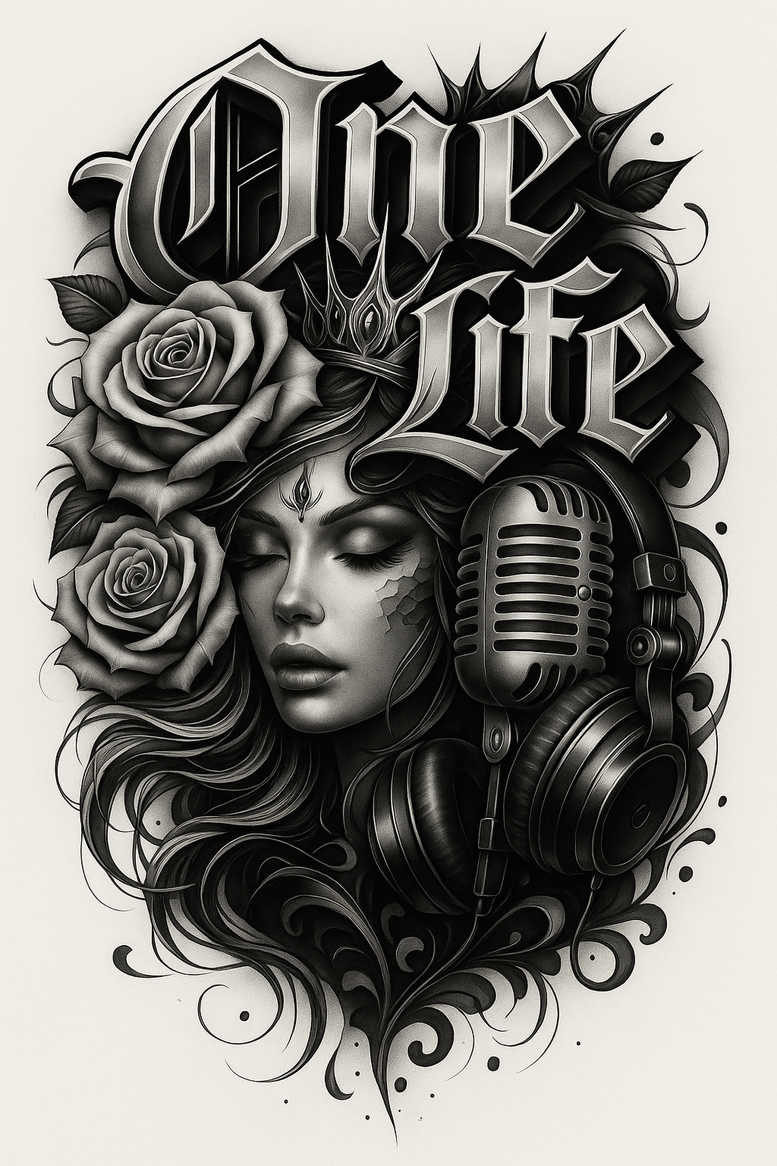
This AI-generated tattoo project is presented in black and grey realism, featuring a serene female portrait framed by roses and anchored by a vintage microphone and over-ear headphones. The design blends lifelike shading with ornamental swirls and graphic patterns that resemble tattoo motifs, giving it a dynamic silhouette that reads from a distance yet rewards close inspection. The central face is softly rendered with subtle gradations of gray, delicate highlights on the lips and eyelids, and a small jewel-like motif on the forehead, suggesting mystique and focus. Two large roses flank the portrait, their petals rendered with meticulous contouring and gentle stroke work that create a tactile, velvety texture. A retro microphone sits to the right, its metallic body rendered with bold lines and careful cross-hatching to convey chrome and reflected light, while the headphones wrap around the lower portion of the composition, their pads and cables intertwining with curling filigree that threads through the hair. The typography at the top—stylized letters reading One Life—adds a graphic counterpoint that harmonizes with organic forms and mechanical elements. The overall composition uses high contrast between deep blacks and smooth grays to establish depth, making it a strong candidate for a cover-up by aligning heavy ink areas with existing tattoos and letting lighter shading preserve skin tone. The piece balances portraiture, botanical motifs and hardware iconography, delivering a meaningful tattoo design that can be scaled for larger sizes or adapted to a sleeve. As an AI-generated tattoo project, it showcases contemporary approaches to body art and invites customization: adjust line weight for finer detail, modify color emphasis, or swap the roses for other flowers while preserving the same narrative of music, life, and resilience. The work is designed to be a concise, striking focal point that remains legible as a tattoo design while offering room for adaptation to individual bodies. Its dark elements and dimensional shading also make it particularly suitable for cover-up applications, enabling new work to elegantly mask older ink while preserving the original emotional intent.