Description
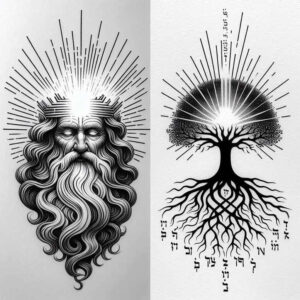
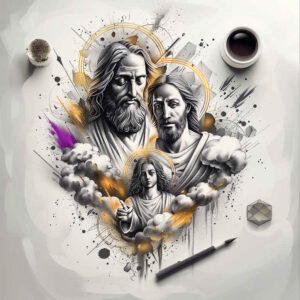
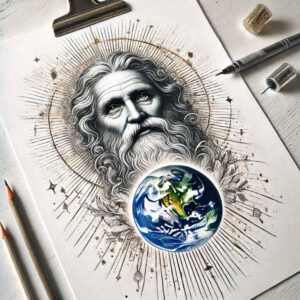
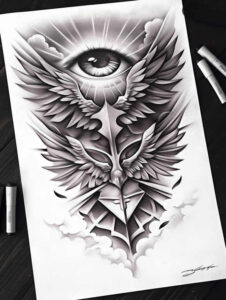
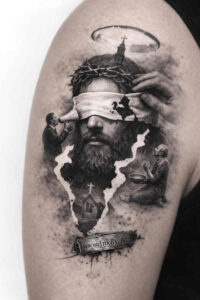
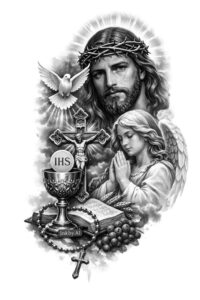
An emblematic study drawn from the One God Yahweh, this tattoo design reframes a sacred archetype into a contemporary piece of body art. The image centers a monumental, bearded figure whose presence is suggested rather than defined, rendered in black and grey with a high-contrast chiaroscuro that haloes the head and dissolves into smoky radiance. The composition embraces a vertical axis, with a robe cascading over the torso and a luminous halo that frames the crown, while clouds dissolve into negative space behind. Flames erupt from a chalice at the figure’s chest, a fierce demonstration of divine energy that is echoed by mirrored flame motifs along the outer edges, creating a symmetrical, repeating graphic pattern. The result is a powerful study in texture and shade: dense black shadows juxtaposed with delicate linework, fine lines interlacing with soft gradations to suggest form without over-definition. Symbolically, the design taps into themes of wisdom, judgment, and sovereignty; the halo connotes sacred illumination, while the chalice and flames evoke purification and transformative power. In keeping with the instruction that no image can depict the true image of God, this tattoo design remains a symbolic, artistic interpretation of His essence, not a literal representation. This piece invites reflection on faith, infinity, and personal meaning, making it a meaningful tattoo for those seeking a contemplative statement or a memorable memorial. The artwork is AI-generated as a concept, offering a modern take on a timeless icon, and the dark, expansive tonality makes it highly suitable for a cover-up on prior work while preserving reverent aesthetics. For artists and clients, the design pairs well with black and grey ink, subtle micro shading, and a strong vertical composition, aligning with contemporary tattoo design, realistic tattoo ambitions, and large-format body art. The repeating flame motif acts as a visual refrain across the composition, connecting elements into a cohesive whole and underscoring the piece’s role as a sculpture of belief rendered in ink.