Description
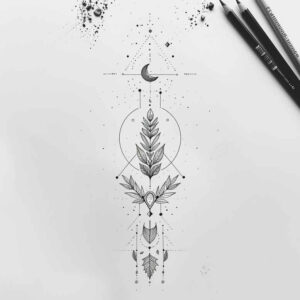
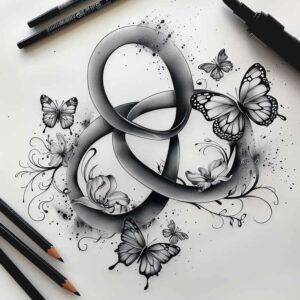
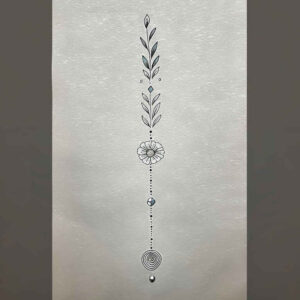
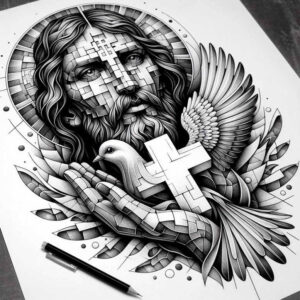
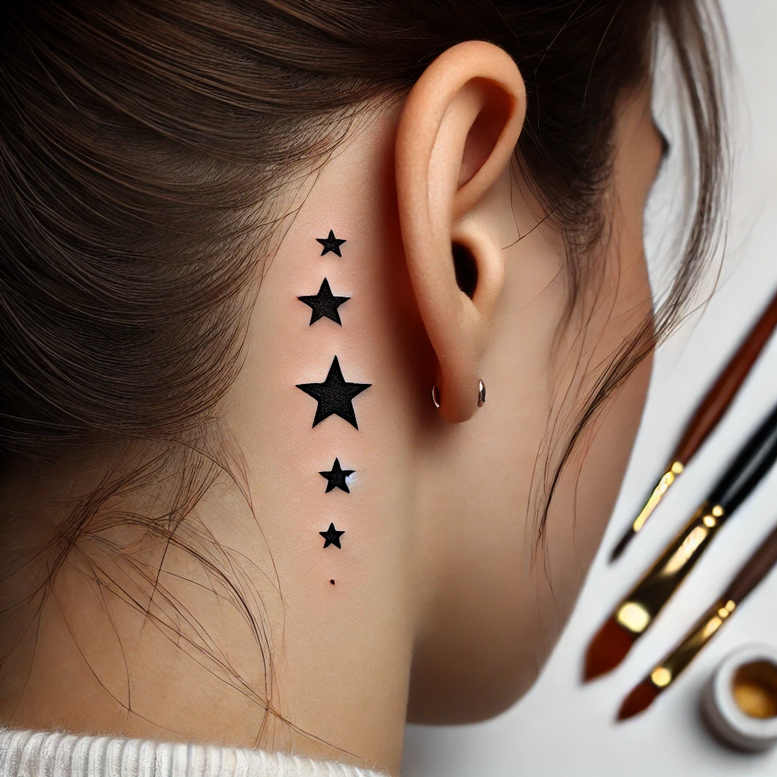
These AI-generated tattoo projects present a clean, minimalist neck motif: a vertical row of five stars in solid black along the nape. The shapes vary in size to create a visual rhythm, from a small star near the base of the skull to a larger star closer to the ear, then tapering again toward the lower neck. The tattoo is executed in black ink with crisp edges; the negative space around each star ensures readability across ages and skin tones. The composition is adaptable as a small tattoo design or as a component of a larger body art piece such as a sleeve or back piece. The repeating pattern of stars functions as a graphic motif that can be extended into other areas, aligning with patterns seen in graphic blackwork and Japanese-inspired minimalism, while still remaining a bold statement in black and grey. Symbolically, stars are often linked to guidance, ambition, and protection, making this layout a meaningful tattoo design for someone who prefers a discrete, high-contrast statement. In terms of technique, the solid fill approach ensures longevity and legibility, even as the wearer ages; the lines are compact, with careful alignment along the neck’s natural curve to preserve proportion on different body shapes. The concept sits at the crossroads of geometric and organic aesthetics, appealing to fans of small tattoos and minimal geometry. As an AI-generated tattoo project, this concept demonstrates how a simple star sequence can become a modern, wearable design with timeless appeal. It also serves as a strong option for a cover-up due to its crisp silhouette and high contrast against discolored skin or existing ink, though placement and aging considerations should be discussed with a professional. Manufacturing notes: The design translates well to different skin tones by maintaining a strong silhouette; in practice, the edges should be razor sharp with minimal shading to preserve legibility over time. For magazines, the line quality should be tested at various scales; this AI-assisted concept allows clients to visualize size and placement before committing to tattooing. It exemplifies how AI-generated concepts can inform traditional tattoo artistry and can be adapted to different body areas as needed.