Description
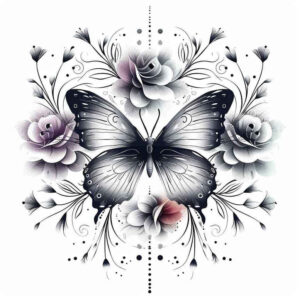
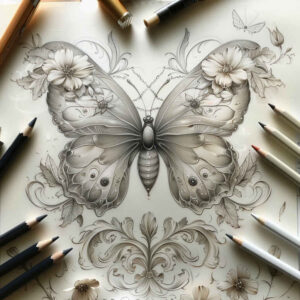
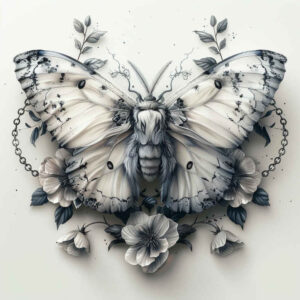
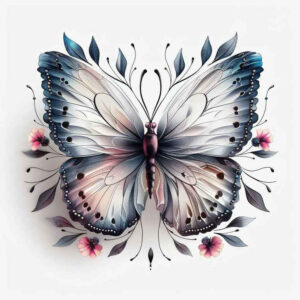
An AI-generated tattoo project concept that translates a watercolor painting into a wearable design, this tattoo design features a blue butterfly perched above a cascade of roses. The wings display a cool gradient of blues with subtle turquoise highlights, while the blossoms move from pale blush to deep crimson, all anchored by inky black stems and pigment splashes that mimic brushstrokes on skin. The composition concentrates the butterfly at the upper third of the image, with the roses forming a vertical bouquet that narrows toward the base, creating a balanced silhouette suited to forearm, calf, or shoulder placements when rendered as a small or large tattoo. Technique wise, the piece relies on watercolor washes for color depth and a fine-line approach for crisp outlines, yielding a black-and-grey accent in the stems and shading that enhances depth without overpowering the color flow. Although the hues are vibrant, the design preserves softness where needed, allowing the tattoo to age gracefully and retain a painterly feel. Symbolically, the butterfly signifies transformation and renewal, while the roses symbolize love, beauty, and resilience; together they convey a meaningful tattoo concept about growth and memory. In terms of style, the concept nods to Japanese-inspired floral tattoo sensibilities and contemporary floral tattoo design, while remaining adaptable to realistic tattoo or neo-traditional contexts. The concept invites customization—adjusting rose color palettes, butterfly species, or wing motifs to reflect personal symbolism—and serves as a strong starting point for a custom tattoo design. As an AI-generated tattoo project, it demonstrates how ink and digital concepting can inform the creative process, providing a polished reference that a client and artist can refine into a final body art piece. From an implementation perspective, the design translates well to a variety of scales, from a small wrist tattoo to a larger back piece, with color balance adjusted for skin tone. For realism, subtle layering of color and fine line work can replicate the watercolor effect while maintaining legibility on aging skin. This concept aligns with the growing demand for meaningful tattoos that blend painterly aesthetics with lasting linework, making it suitable for clients seeking both elegance and personal symbolism. It is a versatile template that tattoo artists can adapt with original artwork, ensuring a unique end result.