Description
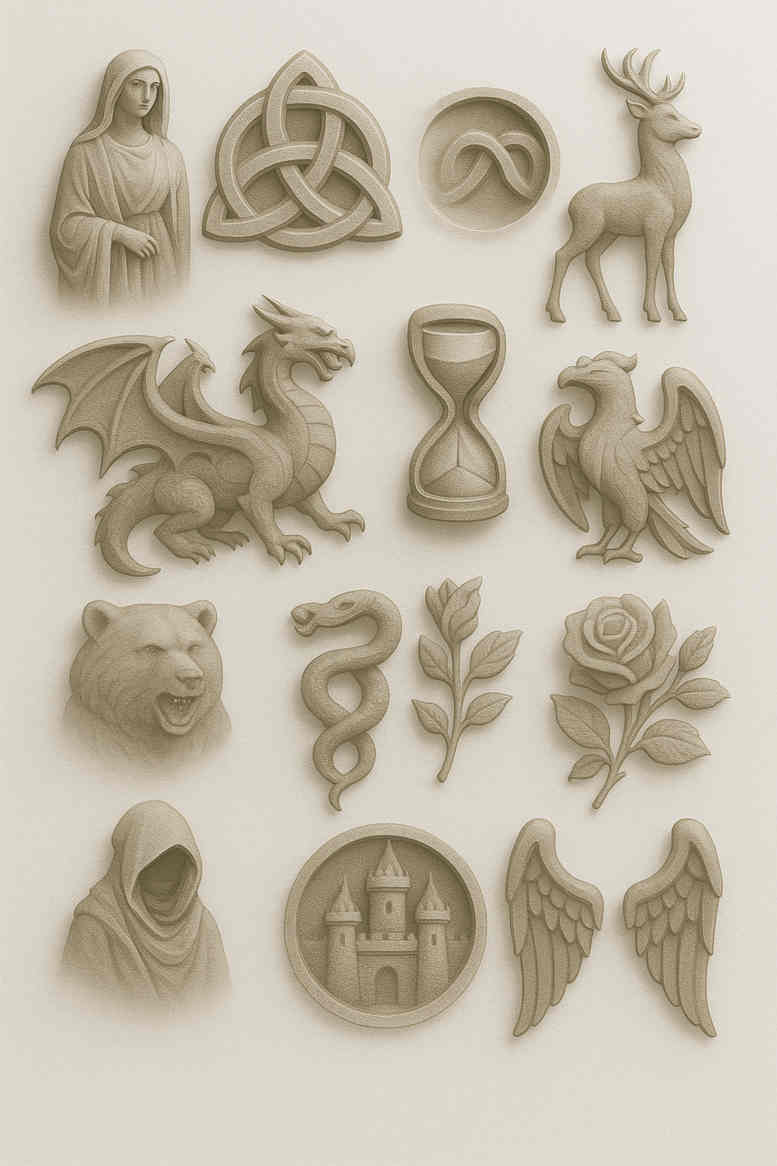
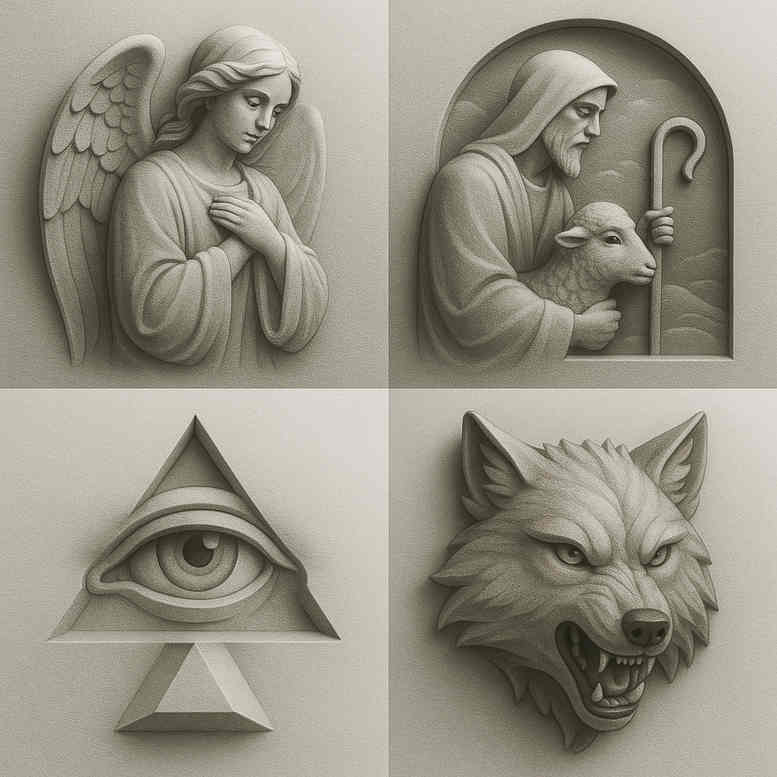
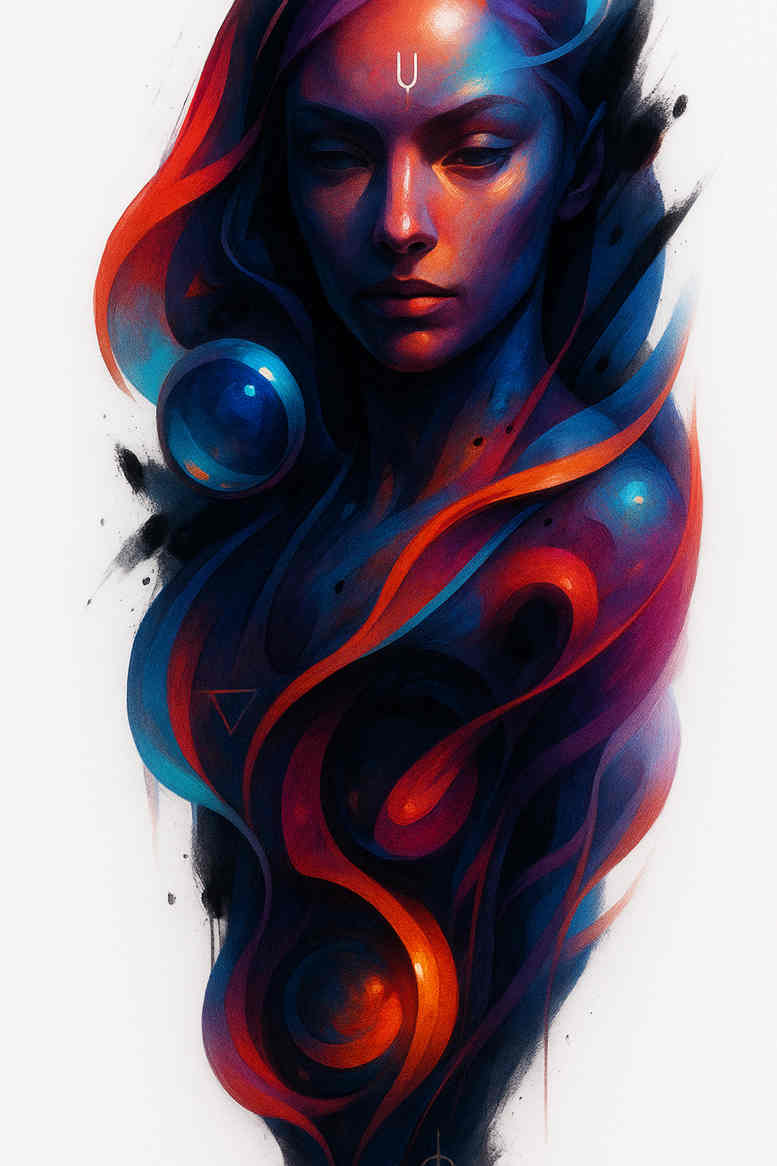
AI-generated tattoo project concept featuring an ethereal angel poised within a precise circular geometry. The piece marries classical iconography with modern geometry, executed in a restrained black and grey palette. The central figure is rendered in fine line technique, with delicate wings, flowing robes, and a calm gaze that suggests protection and guidance. Surrounding the figure is a layered mandala of rings and radial lines, a motif that emphasizes balance, infinity, and sacred geometry. The background remains intentionally modest so the subject remains readable on skin, while subtle shading and stippling add depth and texture. The patterning conveys rhythm and precision, giving the impression of a hand-drawn blueprint merged with portraiture. The design nods to Japanese style tattoo aesthetics through its controlled rhythm and negative space, yet it remains universally legible and adaptable to various placements. The concept explores how negative space and dense line-work interact, enabling a strong focal point in the center while the geometric rings frame the figure. For wearability, this concept is especially suited for a cover-up, as the dark mass of existing ink can be masked by the bold contrast of the angel against the circular geometry, enabling seamless blending and a fresh narrative. The piece offers a clear pathway to translate experience and symbolism into tattoo design: an angel as guardian, a circle as continuity, and geometry as a map for intention. It is an AI-generated tattoo project illustrating how fine-line ink in black and grey can render intricate symbolism with modern precision. Keywords spanning tattoo design, meaningful tattoos, fine line tattoo, circular motifs, infinity concepts, tribal influences, rose or lotus symbolism, Japanese-inspired restraint, and versatile small-ink applications are threaded through the text to enhance discoverability. In very dark conditions the tattoo design remains a strong cover-up candidate because the interplay of bold geometry and delicate line-work provides options for concealing older work while preserving a readable focal point, which is essential for a successful cover-up.